How Long Do Blank Plastic Cards Last?
Table of Contents []
- How Long Do Blank Plastic Cards Last? What Plastic Card ID Wants You to Know
- Why Card Quality Varies More Than You Think
- The Real Cost of Card Lifespan in Your Program Budget
- Card Printers That Maximize the Lifespan of Every Card You Print
- Specialty Cards and Their Unique Durability Profiles
- Practical Buyer Tips for Maximizing Card Lifespan
- Partner With Plastic Card ID for Cards That Go the Distance
How Long Do Blank Plastic Cards Last? What Plastic Card ID Wants You to Know
Walk into almost any business that uses physical cards - gyms, hotels, corporate offices, retail loyalty programs - and you will find blank plastic cards quietly doing serious work. They get printed, encoded, handed out, swiped, scanned, and carried in wallets for months or years at a time. So the real question is not whether plastic cards are useful. The question is: how long do blank plastic cards actually last, and what affects that lifespan?
The answer is layered. A blank CR80 PVC card stored properly can remain printable and structurally sound for decades. Once that card is in active use, lifespan shifts based on environment, handling, encoding technology, and card quality. Understanding those variables is what separates a card program that runs smoothly from one that creates constant reprinting headaches.
The Baseline: What a Standard CR80 Blank Card Is Built For
Standard blank plastic cards conform to ISO 7810 specifications - 3.375 inches by 2.125 inches, 30 mil thick. That is exactly the same size as a credit card, and that is not a coincidence. The CR80 format was designed to be durable enough for everyday carry, wallet storage, and repeated handling without warping, cracking, or degrading quickly.
PVC (polyvinyl chloride) is the dominant material because it strikes a balance between rigidity, printability, and physical resilience. Under normal storage conditions - away from heat, direct sunlight, and moisture - blank PVC cards can remain fully usable for 10 to 25 years or longer. Their surface stays receptive to dye-sublimation and thermal transfer printing throughout that time.
This is why buying blank cards in bulk makes strategic sense for many organizations. The cards do not expire in a drawer. They wait until you need them, ready to be printed, encoded, or personalized on demand without any degradation in quality.
Active Use Lifespan: Cards in the Real World
Once a card leaves the printer tray and enters daily use, its lifespan is governed by how it is used. An employee ID card worn on a lanyard in a climate-controlled office can look sharp and scan reliably for three to five years with no issues. A membership card that lives in a wallet and gets swiped at a gym five times a week may show visible wear in one to two years, though it can often remain functional longer.
Magnetic stripe cards introduce another variable. HiCo (high coercivity) magnetic stripes are engineered to withstand far more swipes and magnetic interference than LoCo (low coercivity) stripes. HiCo stripes are typically rated for 300 or more swipes, while LoCo stripes are better suited for shorter-term applications like hotel keys and event passes where longevity is less critical.
The print layer itself matters as well. Cards printed with dye-sublimation technology and then laminated with an overlay layer resist fading, scratching, and UV exposure significantly better than thermally printed cards without overlay. A laminated card in daily carry can maintain visual integrity for two to four years before showing meaningful wear.
RFID, Smart Chip, and Proximity Cards: A Different Durability Story
Contactless technology adds complexity to the lifespan conversation. RFID cards and proximity access cards contain embedded antennas and sometimes microchips sealed within the card body. The physical card is still a standard CR80 PVC shell, but the internal components have their own durability thresholds.
High-quality RFID cards from reputable manufacturers are rated for read cycles well into the tens of thousands. MIFARE DESFire cards used in secure access and smart city applications are engineered for long operational life under demanding conditions. The card body will typically show physical wear before the internal chip or antenna fails, which speaks to how well-engineered modern smart cards are.
That said, bending is the enemy. RFID and smart chip cards should not be stored in tight pockets or subjected to repeated flexing. The embedded antenna can fracture long before the PVC shell cracks. Card sleeves and cardholders are not optional accessories for these cards - they are investments in protecting a more expensive asset.
| Card Type | Typical Storage Life (Blank) | Active Use Lifespan | Key Durability Factor |
|---|---|---|---|
| Blank PVC CR80 | 10-25 years | 3-7 years | Storage conditions |
| HiCo Magnetic Stripe | 10-20 years | 2-5 years | Swipe frequency and readers |
| LoCo Magnetic Stripe | 5-15 years | 6-18 months | Short-term application design |
| RFID / Proximity Card | 10-20 years | 3-8 years | Flex resistance and handling |
| Smart Chip Card | 10-20 years | 3-5 years | Contact wear and bending |
| Clear / Frosted PVC | 10-20 years | 2-4 years | Print adhesion and surface care |
Why Card Quality Varies More Than You Think
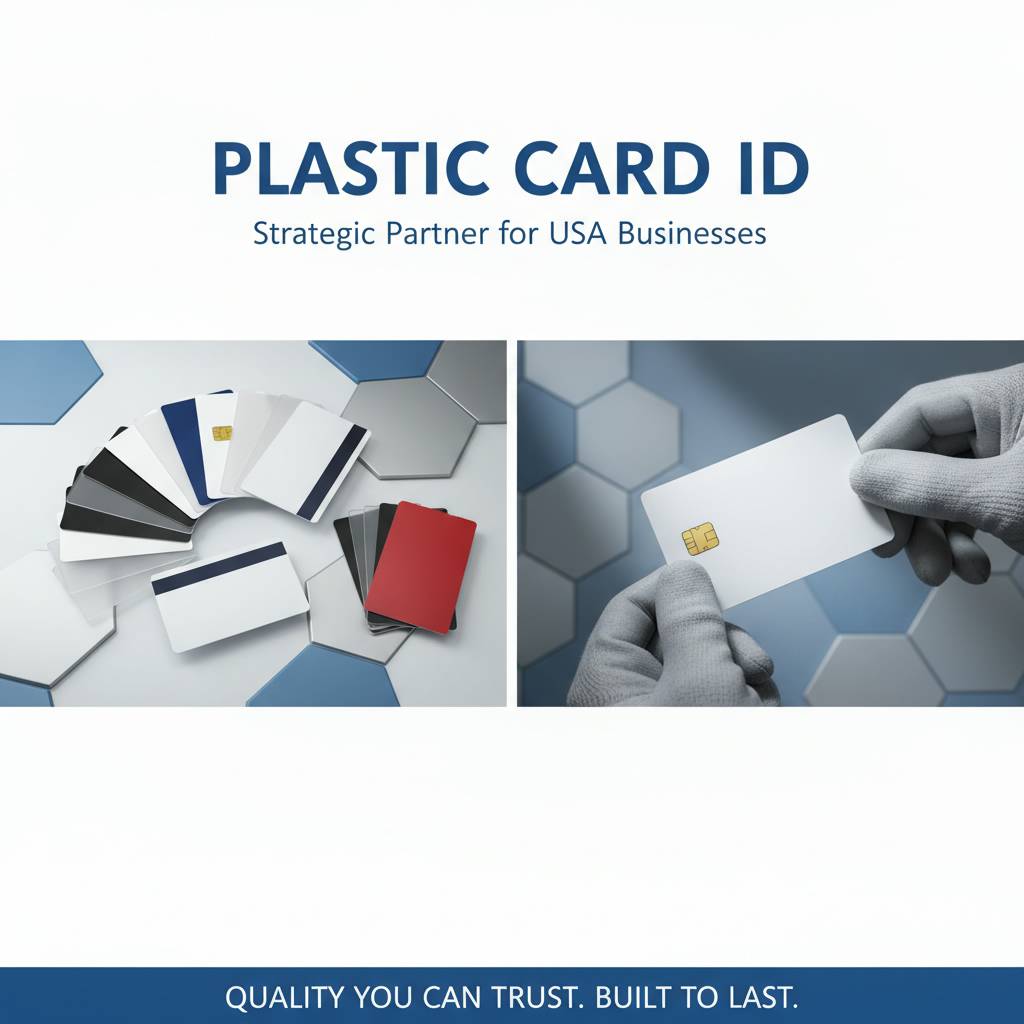 Not all blank plastic cards are created equal, even when they share the same CR80 dimensions and 30 mil thickness spec on paper. The PVC compound formulation, the manufacturing tolerances, the surface finish consistency - these factors differ significantly between suppliers. And those differences show up over time, not on the day of purchase.
Low-grade cards may warp slightly under fluorescent lighting or resist ink adhesion in ways that cause printing inconsistencies six months into your card program. Buying from a supplier with a proven track record and rigorous quality controls protects every dollar you invest in your card program - from the printer ribbons to the printer itself.
How Card Storage Affects Long-Term Printability
Blank cards in storage are not inert objects. They respond to their environment in subtle ways that matter when it is time to print. Temperature swings cause slight expansion and contraction in PVC. Humidity introduces moisture that can affect surface chemistry. Even dust and oil from handling can compromise how cleanly ink transfers during printing.
Best practices for blank card storage include keeping cards flat in their original packaging, storing at room temperature (ideally 65-75 degrees Fahrenheit), avoiding exposure to fluorescent light for extended periods, and acclimating cards to your printing environment for 24 hours before use if they have been stored in a cold or very dry space. These are small disciplines that compound into significant quality gains over time.
Organizations running high-volume card programs often maintain organized card inventory with FIFO (first in, first out) rotation. This is not overly cautious behavior - it is simply smart operations. Cards stored properly for five years will print as well as cards printed the week they arrived.
Printer Ribbons and Their Role in Card Longevity
A card is only as durable as the print job applied to it. The ribbon you use in your card printer directly determines whether that print job holds up for years or starts fading and scratching within months. Dye-sublimation YMCKO ribbons, which include an overlay panel, create a sealed surface that resists abrasion, moisture, and UV fading far better than basic YMC prints without overlay.
Using genuine ribbons from Evolis, Zebra, or Fargo - matched to your specific printer model - is not upselling. It is engineering. Mismatched or off-brand ribbons can shorten print head life, cause color banding, and produce cards that peel or fade prematurely. The ribbon is where card longevity is built or broken, and CPE stocks the full range of matched ribbon options for every printer model they carry.
Cleaning kits are part of this equation too. Dirty print heads and rollers leave marks, cause cards to feed unevenly, and degrade print quality in ways that compound with every print cycle. Regular cleaning on the manufacturer-recommended schedule extends both printer life and the quality of every card that passes through it.
Overlaminates, Card Sleeves, and Physical Protection
Beyond the print layer, physical protection accessories extend active card lifespan meaningfully. Card sleeves - thin plastic sheaths that slip over finished cards - shield printed surfaces from wallet friction, oil from fingers, and minor moisture exposure. They are inexpensive and highly effective for loyalty cards, membership cards, and any card that will live in a wallet or purse for extended periods.
Cardholders and lanyards protect ID badges and access credentials from dropping, scratching, and accumulating the kind of grime that eventually compromises barcode or magnetic stripe readability. A card that costs pennies to protect with a sleeve is worth protecting when reprinting and re-encoding that card costs staff time and supplies.
The Real Cost of Card Lifespan in Your Program Budget
Card lifespan is a financial variable, not just a technical one. When you understand how long your cards will last under your specific use conditions, you can make smarter decisions about card type, print method, protection accessories, and reorder cadence. A card program built on good lifespan data runs more efficiently and costs less over time.
Consider a basic retail loyalty card program. A business printing 500 cards per month on a low-cost card printer with generic ribbons and no overlay may find those cards fading and losing barcode readability within six months. The same program using quality blank cards, matched YMCKO ribbons, and card sleeves might keep those cards readable and presentable for two years or more. The math on the ribbon and sleeve investment pays for itself many times over.
Comparing Card Types by Program Fit and Cost Per Year
Different card programs have very different lifespan requirements, and matching card type to program purpose is where smart buyers save money. A corporate access control program using HiCo magnetic stripe cards needs cards that will hold up for employee tenure - potentially three to five years per card. A seasonal event credential needs to last a weekend. These are entirely different specifications with entirely different cost profiles.
Proximity and RFID access cards carry a higher upfront cost than blank PVC cards, but their long operational life and contactless convenience often make them the lower-cost option per year of use when amortized correctly. MIFARE DESFire smart cards used in high-security environments can serve reliably for five to eight years in access control applications, dramatically lowering total cost of ownership compared to frequent replacement cycles.
- Event and temporary credentials: LoCo magnetic stripe or basic PVC, short lifespan is acceptable and expected
- Retail loyalty and membership: HiCo magnetic stripe or barcode PVC with YMCKO overlay for two or more years of wallet life
- Employee ID and access badges: HiCo magnetic stripe or RFID proximity cards with laminate overlay for multi-year use
- Hotel key cards: LoCo magnetic stripe designed for guest stay duration, typically days to weeks
- Casino player cards: HiCo magnetic stripe with custom design, engineered for frequent use over months or years
- High-security access: MIFARE DESFire RFID smart cards with the longest operational lifespan in the card family
Gift Card Programs and the 35-50% Sales Lift Reality
Retailers who have made the switch from paper gift certificates to plastic gift cards consistently report sales increases in the range of 35-50%. That is not a marginal improvement - it is a program transformation. Plastic gift cards look valuable, feel permanent, and survive in wallets until the recipient is ready to use them. Paper certificates get lost, torn, and forgotten in ways that cost the retailer both the sale and the customer goodwill.
From a lifespan perspective, a plastic gift card that lives in a wallet for six months before redemption needs to look as good on the day of use as it did when it was purchased. A well-printed, properly overlaid PVC card holds up to that challenge with ease. Paper simply cannot compete on those terms, and the sales data reflects it.
Call 800.835.7919 to talk through what a custom or blank gift card program could look like for your retail business and what card specifications make the most sense for your volume and use case.
Card Printers That Maximize the Lifespan of Every Card You Print
 The printer you use is not separate from the card lifespan question - it is central to it. A well-maintained, properly configured card printer using the right media produces cards that look better and last longer than the same card design run through a mismatched or poorly maintained machine. CPE carries a full lineup from Evolis, Zebra, and Fargo because those three manufacturers represent the serious end of the desktop and mid-volume card printing market.
Evolis printers are known for reliable daily operation in mid-volume environments, with straightforward ribbon management and excellent print consistency. Zebra card printers deliver exceptional durability and are often chosen for high-volume or enterprise deployments. Fargo printers bring advanced encoding capabilities and lamination options to the table, making them ideal for high-security ID programs where card longevity and tamper evidence matter equally.
Matching Printer to Card Volume and Application
A 50-card-per-month loyalty program does not need the same printer as a 10,000-card-per-month corporate ID operation. Overspecifying wastes capital. Underspecifying creates quality and maintenance headaches. Choosing the right printer for your actual volume is one of the most important decisions in your card program infrastructure.
Single-sided desktop printers from the Evolis Primacy or Zebra ZC300 family suit small to mid-sized programs printing up to a few hundred cards per week. Dual-sided printers allow full card design on both faces, which is valuable for membership cards and employee IDs that carry information and branding on the reverse. High-volume programs benefit from batch-feed printers with larger input hoppers and automated cleaning cycles.
Cleaning Kits: The Overlooked Lifespan Variable
No printer maintenance topic gets less attention and matters more than cleaning. Card printers accumulate dust, PVC particles, and ribbon residue on their rollers and print heads with every print cycle. That buildup degrades print quality gradually, in ways that are easy to overlook until cards start coming out visibly suboptimal.
Manufacturer-recommended cleaning kits typically include cleaning cards and cleaning swabs matched to specific printer models. Running a cleaning card through the printer every 500-1000 prints - or whenever print quality shows any degradation - keeps print heads operating at specification and extends printer life significantly. A printer that gets regular cleaning attention can serve reliably for five to eight years or more.
Specialty Cards and Their Unique Durability Profiles
Beyond standard white PVC, the card world includes specialty options that each carry their own durability characteristics. Clear and frosted PVC cards present a unique print surface where ink adhesion and overlay coverage are critical - improperly printed, they scratch and cloud faster than opaque cards. Handled correctly, they produce stunning visual effects that hold up admirably in wallet use.
Luxury metal cards in stainless steel, brass, and gold occupy a category where physical durability is essentially not a concern. Metal cards signal permanence and premium status in a way that transforms how recipients perceive and treat them. A metal loyalty card or VIP membership card rarely ends up at the bottom of a junk drawer - it earns a prominent wallet position and stays there. Custom die-cut shapes, while visually distinctive, require extra care in wallet storage given their non-standard geometry.
Casino and Hospitality Cards: Built for Constant Handling
Casino player cards and hotel key cards represent two of the most demanding everyday card use cases. Casino player cards are swiped, inserted, handed across counters, and carried in pockets and purses hundreds of times over their active life. Hotel key cards, by contrast, need only to last the length of a guest stay - but they need to function reliably every time, without demagnetization from phone proximity or wallet storage near other cards.
HiCo magnetic stripe technology is standard for casino player cards precisely because it resists the kind of incidental magnetic interference that would compromise a LoCo stripe. Hotel properties that have experienced high key card failure rates typically find that upgrading to higher-quality card stock and reader maintenance resolves the majority of complaints. The card quality and the reader quality work as a system - both matter.
Colored Stock and Custom Die-Cut Cards
Colored PVC stock - available in a range of base colors - allows organizations to create visually distinctive cards without printing a full-color background on every card, saving ribbon panels and reducing per-card cost at scale. A red PVC card with minimal imprinting carries instant visual differentiation. The durability profile of colored stock is identical to white PVC when manufactured to the same ISO 7810 specifications.
Custom die-cut cards in shapes other than CR80 - mini cards, key tags, custom contours - serve specific program purposes where novelty and portability matter. Their lifespan is comparable to standard cards when made from the same PVC compound, though their non-standard shape means they cannot rely on standard card sleeves for protection.
Practical Buyer Tips for Maximizing Card Lifespan
Whether you are running 50 cards a month or ordering tens of thousands at a time, the decisions you make before your first card prints directly affect how long every card in your program will last. These are not abstract considerations - they translate directly into reprinting costs, program reliability, and how your brand looks in your customers' and employees' hands every day.
CPE has worked with more than 100,000 customers across the United States, which means the team has seen what works and what creates avoidable problems. The guidance below comes from genuine operational experience at program scale.
Top Tips for Every Card Program Buyer
- Always acclimate blank cards to your printing environment before running a batch - temperature and humidity variation causes feeding issues
- Match your ribbon type to your intended card lifespan - YMCKO with overlay for long-life cards, KO or monochrome for short-term credentials
- Use card sleeves for any card that will live in a wallet - the cost per sleeve is negligible against the cost of reprinting
- Run cleaning cards through your printer on the recommended schedule - print head replacement is expensive; cleaning cards are not
- Store blank card inventory flat, at room temperature, away from direct light and moisture
- Buy HiCo magnetic stripe cards for any application where cards will be used repeatedly over months or years
- Choose RFID or smart chip cards when contactless access and long read-life matter more than upfront card cost
- Consider card carriers and mailing services for programs that distribute cards by mail - professional presentation extends perceived card value
When to Reorder and How to Plan Inventory
Blank card inventory planning is straightforward once you know your monthly consumption rate and your acceptable lead time. Most organizations running steady card programs benefit from maintaining a 60-90 day supply of blank stock on hand. This buffer absorbs unexpected demand spikes, vendor shipping delays, and the occasional print run that needs to be rerun due to printer issues.
Reorder triggers should be set before inventory drops to a level that would leave you unable to fulfill card requests for more than a week. Running out of blank cards mid-program is a preventable disruption that erodes confidence in the card program overall. Simple inventory tracking - even a spreadsheet - is sufficient for most small to mid-sized programs.
Reach out to 800.835.7919 to discuss volume pricing tiers and what inventory strategy makes the most sense for your specific program cadence and card types.
Understanding the Full Scope of What Affects Card Life
It is worth pausing to appreciate how many variables interact to determine card lifespan. Raw PVC quality, print technology, ribbon type, overlay presence, storage conditions, use environment, swipe frequency, wallet proximity to magnets and moisture, card sleeve use, and printer maintenance - all of these factors stack on top of each other. No single variable dominates in isolation.
This is exactly why working with an experienced supplier matters. When CPE recommends a specific card type, ribbon, and printer combination for your use case, that recommendation reflects 25 years of watching programs succeed and fail based on these same variables. That institutional knowledge is not available when you order cards from a generic office supply vendor with no card program expertise.
Partner With Plastic Card ID for Cards That Go the Distance
Blank plastic card lifespan is ultimately a function of decisions made before the first card is ever printed. The card stock you choose, the equipment you invest in, the ribbons and accessories you pair with that equipment - these choices compound over time into either a card program that runs reliably for years or one that creates constant reprinting, maintenance, and quality complaints.
Plastic Card ID has spent over 25 years helping organizations across the United States build card programs that work. More than 50 million cards sold. More than 100,000 customers served. Programs ranging from 50 cards per month to mass production in the tens of thousands. Every card type, every printer brand, every ribbon and accessory needed to run a complete, professional card operation - all available from a single strategic partner who understands what you are trying to accomplish and how to get you there.
Call Plastic Card ID today at 800.835.7919 and put 25 years of card program expertise to work for your organization. Whether you are launching a new program or optimizing one that has been running for years, the right cards - and the right partner - make all the difference.
Previous Page